One thing I found really interesting
when learning about Berlin’s history is how important their buildings are to
them. I felt an extra special connection
to this since we will be visiting many, many buildings while on our Germany
excursion. The videos talked often about
how the remains of the buildings were just as important to them as the
buildings themselves. They said that
demolition is equal to construction, and that was the curse of the city. It was incredibly difficult for them to
decide what to do with different buildings, and everyone had very strong
opinions about them. Before World War
II, Berlin was a very progressive and modern city. Peter Behrens created the turbine factory
idea, which changed the course of architecture with modernism. It was the first of its kind and led the way
in modern architecture. However, once
Hitler came to power, Berlin lost its modern edge. I find it interesting though, that while
Hitler destroyed that forward push in modern architecture, he was still working
to keep it. He had attempted to build
the biggest and the best stadium so that the Olympics could be held in Berlin
every year. Although it was never
completed, the desire for progressive architecture was still present. Not only was being progressive an important
part of Berlin architecture, but the sentiment.
The current German Ministry of Finance building used to be the Nazi
Ministry of Aviation. The people who
work there today have expressed creepy feelings they often felt while being
there. They say that the spirits are
still in the walls. Similarly, the
famous building Schloss held a great deal of history. Many Germans believed that it represented the
wrong kind of history, so they did not want its remains in their city. Therefore, it was demolished in 1950 even
though it was Berlin’s most historic building.
Its demolition created an even further divide between the east and west
sides because they were split about its destruction. The Palace of the Republic than replaced the
famous Schloss for many years. Recently,
the Palace of the Republic was torn down and a new Schloss was put in its
place. All of this demolition and
reconstruction has caused much stress and hard feelings upon the German people
because they take these building changes so seriously. One last example would be the Berlin
wall. While some of its remains are
still up and around, currently a tourist art gallery attraction, most native
Germans find disgust with the wall and what it represents. The buildings are an incredibly important
part of being a Berliner.
Another important part of being a
Berliner would be understanding the city as a whole, and I think that the East
side of Berlin is commonly misunderstood.
It is often viewed as being a harsh, solitary country that did not allow
anyone in or out. However, these ideas
create some misconceptions. While East
Germany was certainly more harsh than West Germany, not all citizens felt that
way. Some, such as the couple from the
documentary, were very distraught by the reunification of East and West Berlin
because they like and believed in the ideals of East Berlin. The particular couple in the movie went into
a deep depression because of their new lives in the unified Germany. They far preferred it when East Berlin was
its own country. If it was so horrible
and harsh, I do not believe anyone would have been so negatively affected by
the reunification. Secondly, East Berlin
was not nearly as secluded as one might believe. They were not allowing people to easily flow
between East and West Germany because they were on bad terms with one another,
but that does not mean that no one came in or out of the county ever. In fact, many Vietnamese people had been
welcomed into East Germany. Their
acceptance of the Vietnamese may have been to form an alliance or simply
because they had similar values, but no matter the reason, they were welcomed
in the country regularly. This small
country was said to be like a dreamland for these people. It was not until the reunification of East and
West Berlin that the Vietnamese were shunned out for “taking German jobs.” Additionally, both sides were responsible for
the wall’s construction in the first place.
I believe that East Berlin is a widely misunderstood part of German
history.
Word Count: 733
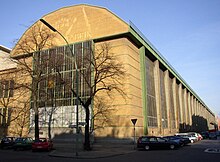
The AEG turbine factory designed by Peter Behrens was the first building of its kind. This was the beginning of the modern and progressive architectural period in Germany. They were leading the way in the world of architecture.

This is the original and famous building Stadtschloss or Schloss for short. Its demolition and replacement buildings are still a large topic in Germany today.

The remains of the Berlin wall have become one of the leading tourist attractions in Berlin, Germany. While many people go there everyday, the people who live there, Berliners, find must disgust in this wall. They do not like where the wall comes from or what it represents.

Even though both sides contributed to the building of the wall, East Berlin's strict boarder rules have shaped the way that their side of Berlin was and is still viewed today. It is interesting that many people were able to escape to West Germany despite the constant watch of the boarder guards. Those who were determined to leave did their very best to make their way over to West Berlin.
Sources: Frei, Matt. BBC Berlin History 15 part series. Youtube.
http://mentalfloss.com/article/28517/8-creative-ways-people-went-over-berlin-wall
http://www.toptenz.net/top-10-reasons-to-visit-berlin.php
http://en.wikipedia.org/wiki/City_Palace,_Berlin
http://en.wikipedia.org/wiki/AEG_turbine_factory

No comments:
Post a Comment